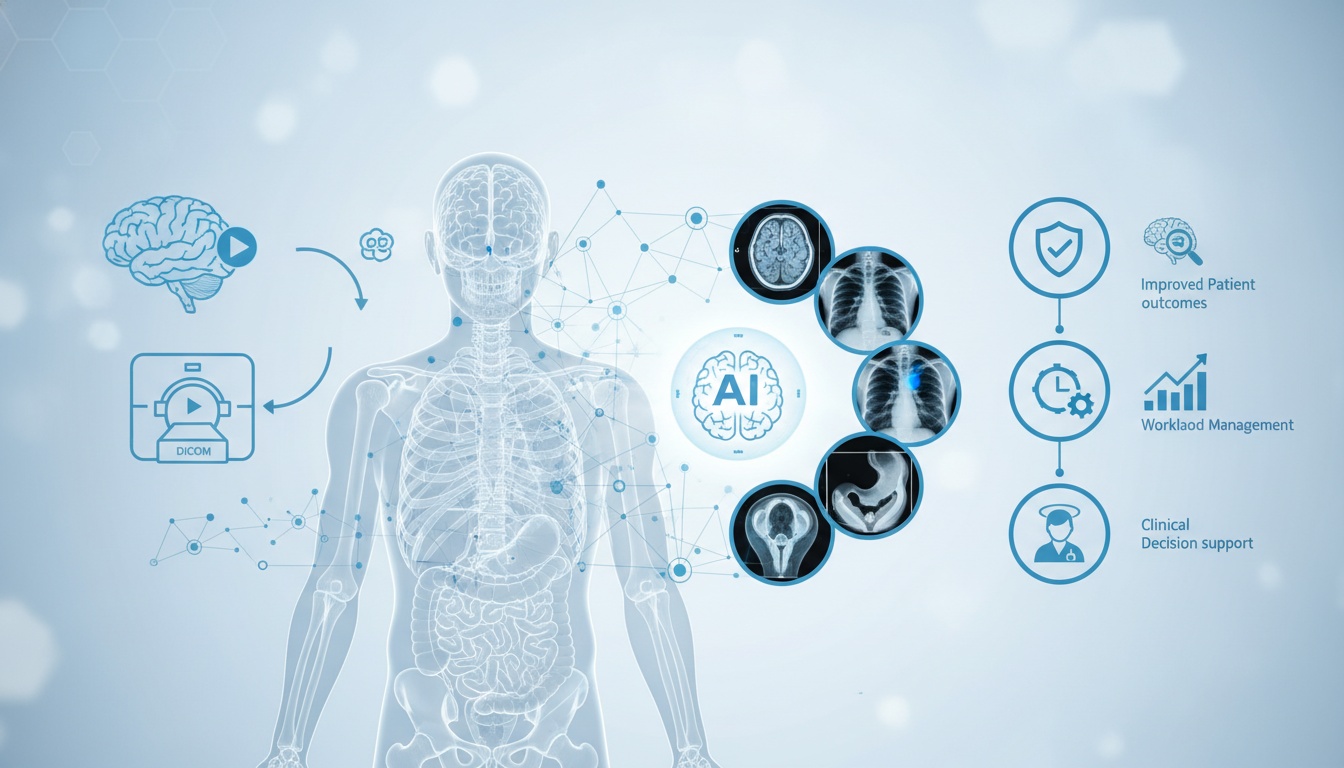
AI technology is transforming the healthcare industry by improving patient outcomes, accuracy, and efficiency of healthcare providers. Hospitals, clinics, imaging centers, and telehealth platforms are using AI technologies for diagnostic support, administrative automation, and more.
AI tools are not intended to replace clinicians, but rather to serve as a decision support tool to enable health care workers to work quicker, recognize patterns sooner and manage the increasing workload better. Today, in the healthcare environment that is increasingly expensive, staffing is becoming a challenge and patients have high demands, AI is becoming a significant player in modern healthcare.
AI contributes to healthcare organizations' efficiency, speed, and accuracy. These benefits include quicker diagnosis assistance, intelligent patient monitoring, decreased administrative burden, individualized treatment plans, and improved clinical resource utilization. AI is currently a hot topic in radiology, cardiology, scheduling, claims workflows, and population health analytics.
AI's ability in healthcare is its ability to analyze large amounts of data in a short time and reveal patterns that may not be obvious. Patients' history, symptoms, lab tests, and imaging can be analyzed by AI systems to help in the early and accurate diagnosis.
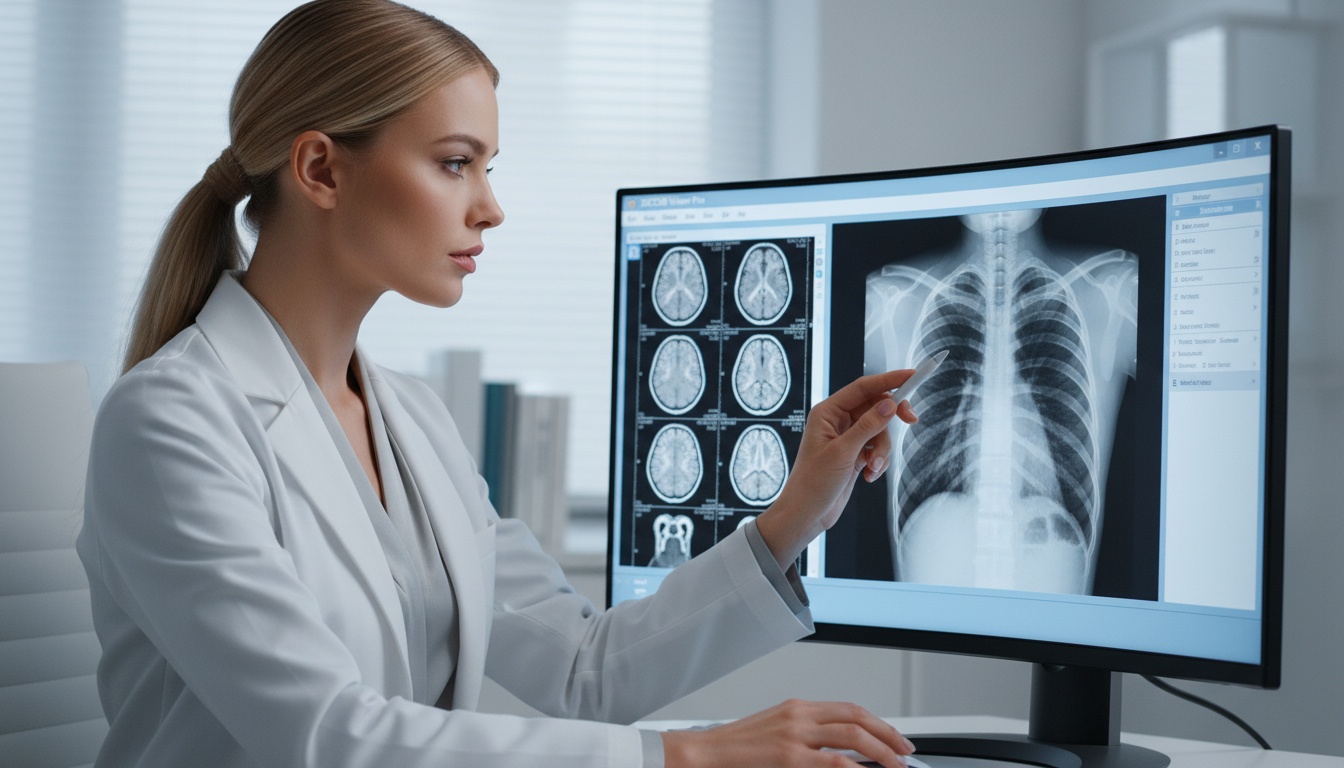
In health imaging, AI could assist in identifying trends in X-rays, CT scans, MRI images, and mammograms that might need immediate attention. Some health care teams use AI as a tool to prescreen studies for their radiologist and then refer them to the radiologist for final interpretation.
AI can also help identify patient cases that require prompt follow-up, thereby minimizing diagnostic delays. This is particularly beneficial in healthcare facilities, where efficiency can directly impact patient care, especially during hectic periods.
As the healthcare landscape becomes increasingly personalized, AI is helping to make this a reality by enabling healthcare providers to leverage patient-specific data, such as lifestyle, genetics, and real-time health information, to make personalized treatment recommendations.
With artificial intelligence, remote monitoring solutions can analyze data from wearables, monitor patterns in chronic conditions, and alert you to potential dangers, as well as complying with medication adherence requirements. This means that clinicians can intervene earlier and enhance patient outcomes for those with diabetes, heart disease, and sleep disorders, as well as post-surgery patients.
Automated health assistants and AI chatbots can also schedule appointments, remind patients, deliver educational resources, and maintain patient engagement throughout the healthcare journey.
The timely and personalized delivery of care results in improved patient satisfaction and outcomes.
Hospitals are constantly asked to reduce costs while providing quality care. AI has the potential to assist in automating repetitive tasks and enhancing operational efficiency.
The greatest savings are in non-clinical workflows. AI can assist with:
• Appointment Scheduling
• Claims Review
• Billing Support
• Medical Coding Assistance
• Documentation Summaries
• Staffing Forecasts
• Inventory Planning
The efficiencies empower staff to dedicate more time to responsibilities of greater value and to decrease manual workload and administrative overhead.
AI can also help streamline the bed management process, forecast patient flow, and minimize delays within departments
AI is also impacting patient care in surgery. Precision can be enhanced by image-guided planning, robotic support, motion tracking, and predictive analytics, all of which can be aided by AI systems.
In complex surgeries, AI technology tools employed by surgeons could aid in planning minimally invasive procedures, reducing variation and improving consistency. For certain specialties, advanced systems may contribute to the pre- and in-surgical analysis of anatomical structures and to surgical navigation.
AI can also assist in post-operative recovery by detecting trends and patterns that might require further treatment and treatment risks.
The best long-term application of AI in healthcare is preventive care. Providers can use predictive models to detect risk in a proactive manner, rather than waiting for illness to be serious.
AI systems can be used to identify patients who are at greater risk of experiencing:
• Hospitalization
• Missed Screenings
• Disease Progression
• Medication Complications
• Readmission After Discharge
By leveraging these insights with clinician oversight, clinicians can reach out to patients earlier, make interventions earlier, and optimize population management.
This proactive approach can ultimately result in reduced expenses and improved patient outcomes.
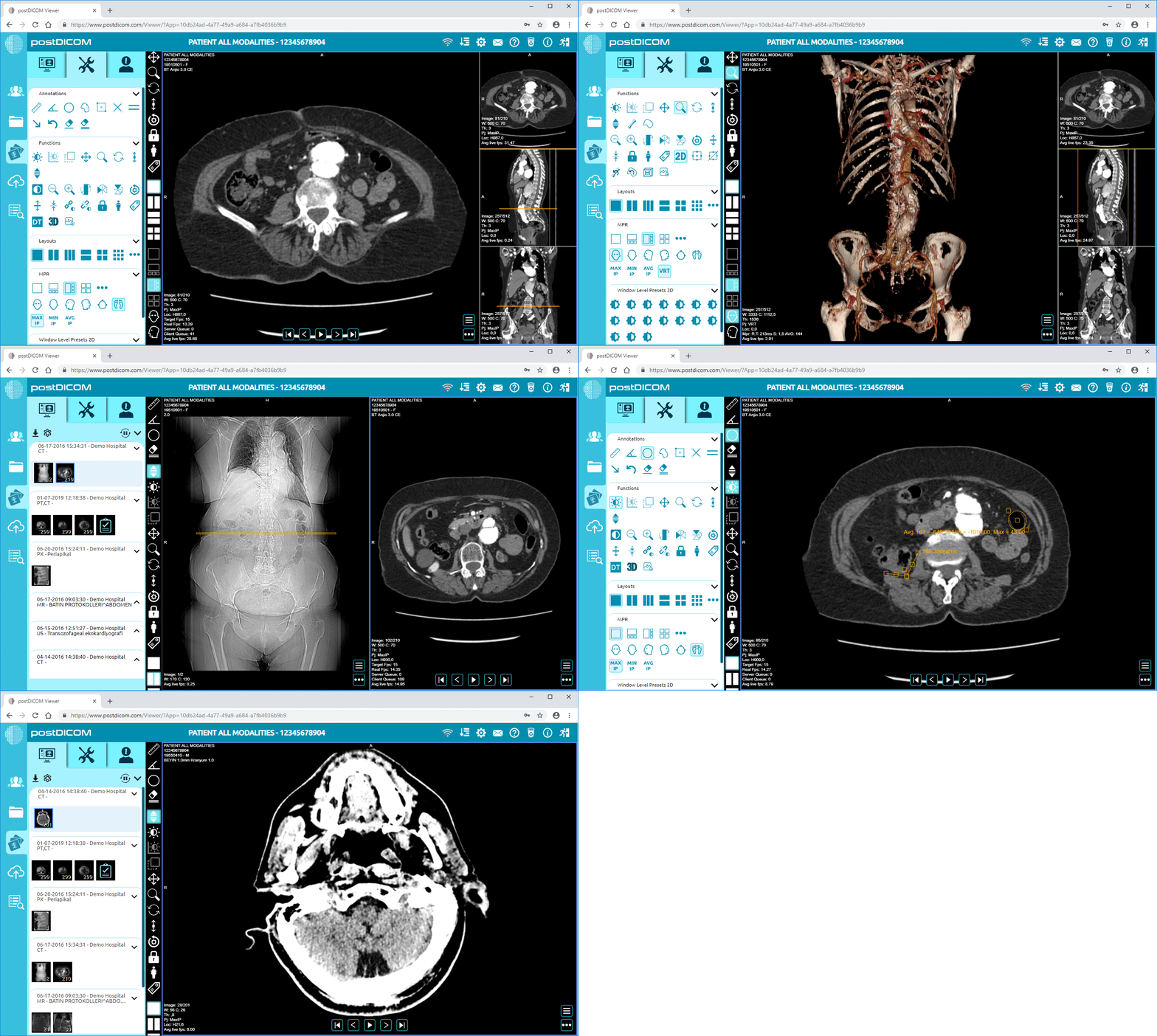
 - Created by PostDICOM.jpg)
In fact, AI is already in use in numerous healthcare facilities globally. Examples include:
• Radiology Triage For Urgent Imaging Studies
• Speech-to-clinical-note Documentation Tools
• Sepsis Risk Alerts In Hospitals
• Virtual Assistants For Patient Intake
• Fraud Detection In Claims Systems
• Readmission Risk Scoring
• Pathology Image Analysis
• Personalized Treatment Recommendations
Through these use cases, it's clear that AI is no longer a future possibility. It is already improving healthcare teams' ability to address real-world challenges today.
Healthcare providers are on a similar journey toward adopting AI, given the pressure they are under – high patient demand, a shortage of healthcare professionals, increasing healthcare expenses, and the demand for quick decisions. AI can assist teams to get more out of their restricted resources, while also ensuring consistency and cutting down on delays.
The potential is great, but there are still challenges to overcome when implementing AI.
Healthcare data is highly sensitive data. It is important for organizations to safeguard and properly manage patient data in accordance with privacy rules.
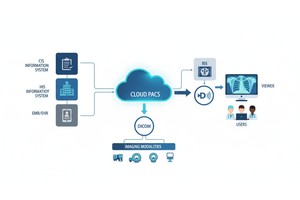
Legacy systems are common in the healthcare industry. It may be challenging to integrate AI into the EHR, PACS, billing, and scheduling platforms.
Healthcare providers must trust that AI's results are dependable, understandable, and relevant. Training, validation, and workflow fit are often the most important factors of the adoption process.
As is often said, the quality of AI models is only as good as the data on which they are built. Lack of data quality or bias can be a danger if not well managed.
AI can enhance workflow efficiency, shorten study turnaround time, facilitate collaboration, enable access to specialists across locations, and be incorporated into cloud-based PACS.
This is especially beneficial for:
• Teleradiology Groups
• Multi-site Hospital NetworksMulti-site hospital networks
• Imaging Centers With High Volume
• Remote Consultation WorkflowsRemote consultation workflows
• Subspecialty Reading Environments
AI also, when integrated with cutting-edge cloud imaging tools, can make radiology teams more responsive and efficient.
When assessing the potential of AI in healthcare, leaders should take into account:
• Data Privacy And Compliance Needs
• Inclusion Ofehr / Pacs IntegrationEHR / PACS integration
• Clinical Workflow Compatibility
• Staff Training Needs
• Vendor Reliability
• Roi Timeline
• Ongoing Governance And Monitoring
The most effective approach to AI is to first define a problem in the business, and then select the appropriate technology to solve it.
For organizations new to artificial intelligence, they start with simple applications like scheduling automation and documentation support, imaging triage, claims review, or chronic care monitoring. These types of deployments are more easily measurable and will usually result in quicker operational benefits.
No. In the real world, AI can assist clinicians in various ways, such as increasing efficiency, highlighting insights, and minimizing repetitive tasks. Only qualified health care professionals make all decisions.
Some of the fastest-growing are radiology, cardiology, population health, operations management, revenue cycle, telehealth, and pathology.
When used correctly and appropriately under clinical governance frameworks, AI can be of significant value when validated.
By prioritizing urgent scans, assisting in measurements, recognizing suspicious patterns, and more, AI can make the workflow more efficient for radiologists.
The expense of the solution will depend on the solution and its size. Many organizations start with specific use cases with an obvious ROI.
|
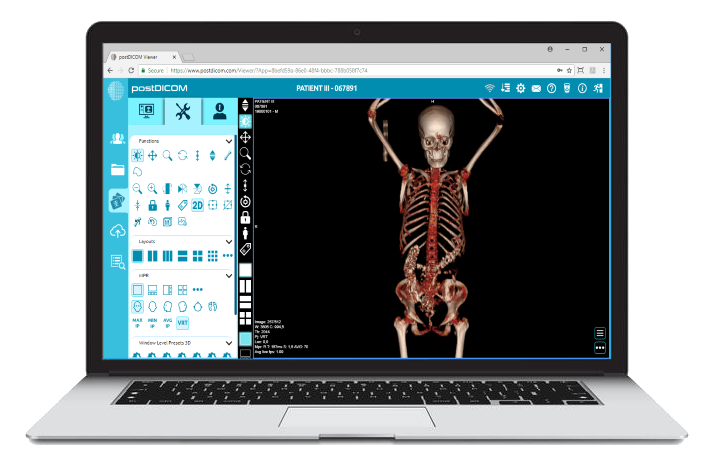
Cloud PACS and Online DICOM ViewerUpload DICOM images and clinical documents to PostDICOM servers. Store, view, collaborate, and share your medical imaging files. |